 Vietnam's cruise ports, measured from the gangway
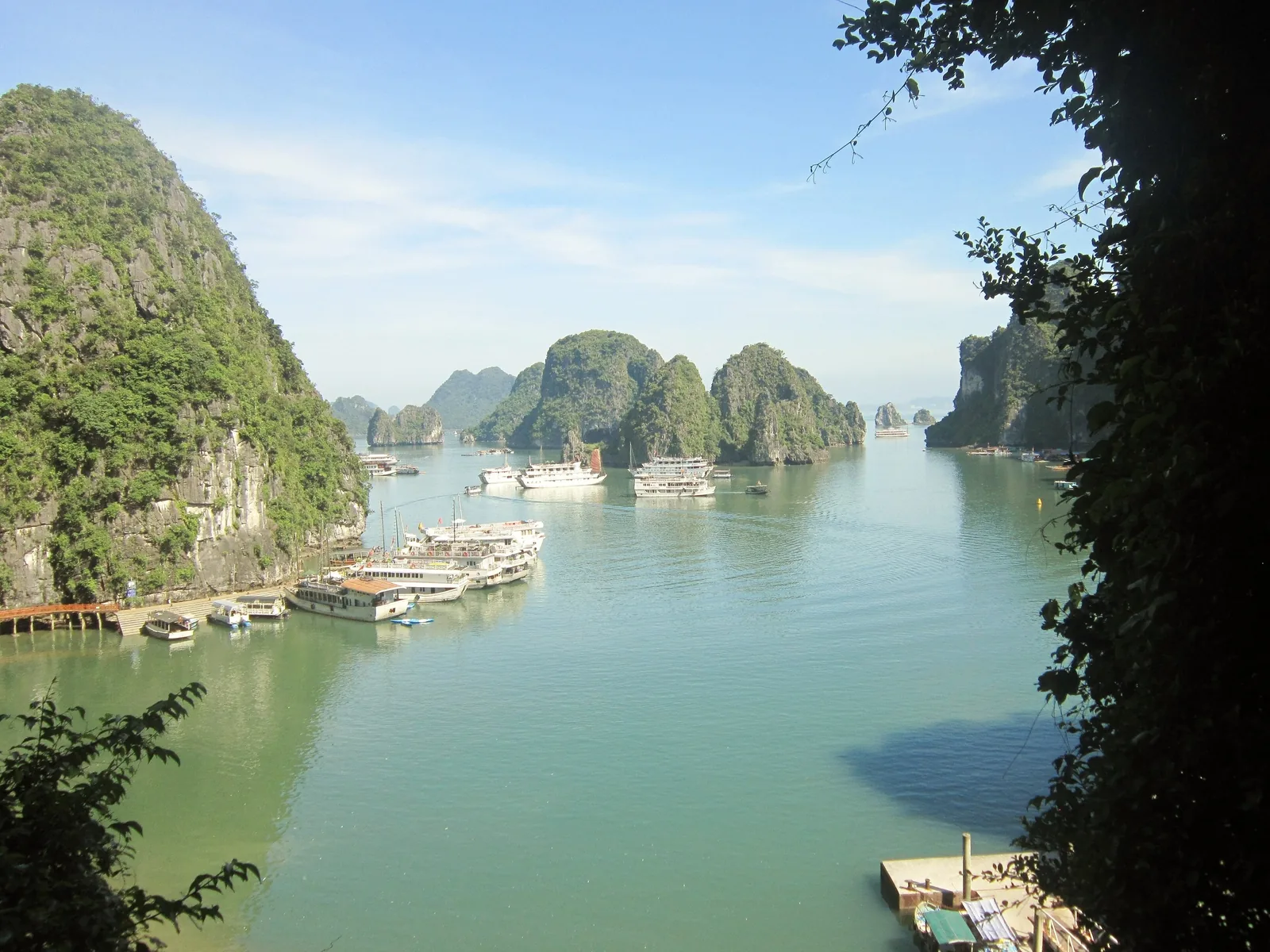
Independent guide for cruise passengers
Vietnam's cruise ports, measured from the gangway
A guide for passengers on ocean cruise ships calling at Ha Long, Chan May, Da Nang, Nha Trang, Phu My and Phu Quoc: how far each port really is from the places on the brochure, what fits into an eight to ten hour call, which documents the ship will ask for, and what happens when the weather wins.
The problem this guide solves
Vietnam is a long country with ports that are often not where the famous names are. A ship that "calls at Hue" ties up at Chan May, about sixty kilometres of road from the Imperial City. A ship that "calls at Ho Chi Minh City" may berth at Phu My, a commercial port fifty to sixty kilometres from the centre by road. A ship that "calls at Ha Long" puts you at the bay, but Hanoi is more than 150 km inland.
Those distances decide your day. Once you subtract the time it takes to get off the ship, the road each way, and the margin you need before all-aboard, a ten-hour call can leave three hours at the place you came to see, or less. This guide does that subtraction for every major port, openly, with the inputs shown, so you can decide what is realistic before you book anything at all.
Every distance on this site was calculated on 26 October 2026 from OpenStreetMap road data with the OSRM routing engine, from the cruise berth to the sight. The drive times you see are free-flow times from that engine, which a coach in real traffic will not match, so each port page also gives a planning range and explains how we built it.
Sources: OpenStreetMap road data routed with the OSRM engine (our calculation, free-flow times); OpenStreetMap Nominatim — coordinates and current ward and province names; Vietnam Drive — Chan May cruise port (transfer company page); Cruise Critic — Ho Chi Minh City cruise port guide (cruise review site) · last checked .
Choose your port
Quang Ninh
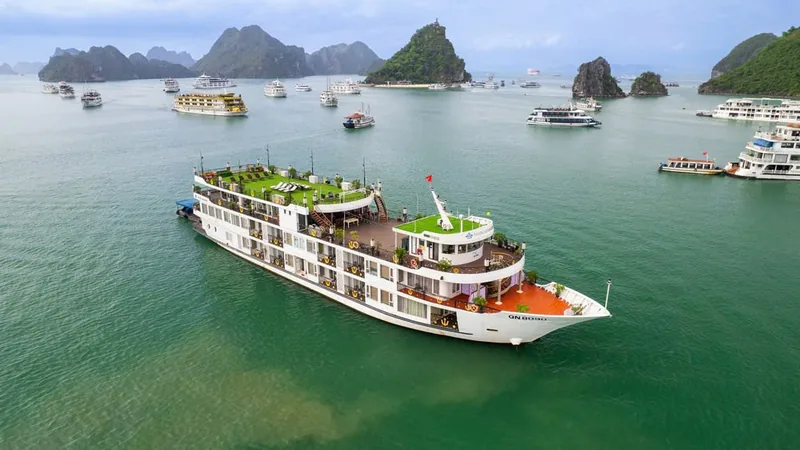
Ha Long (Cai Lan)
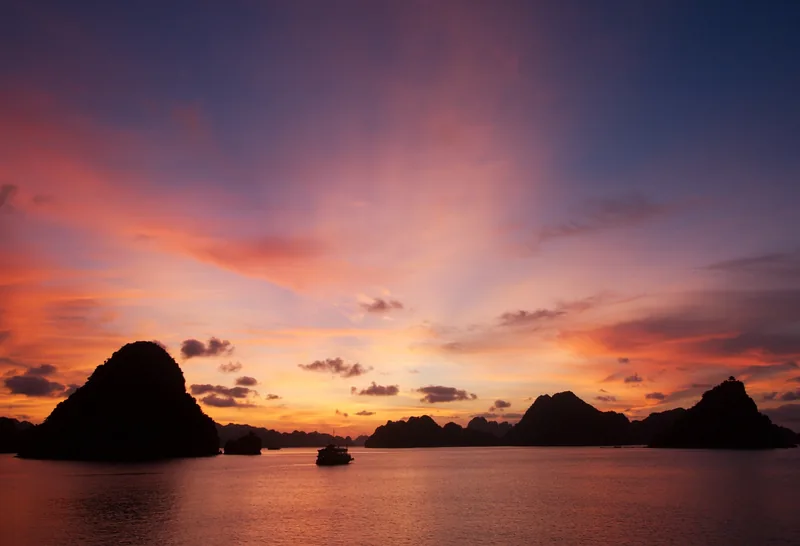
The bay starts at the terminal; Hanoi is a long day trip and usually a poor one.
Ha Long port guide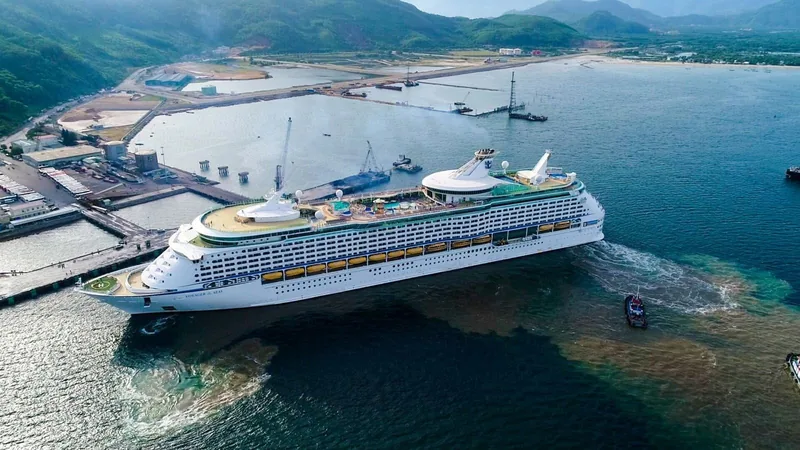
Hue
Chan May
One berth, two directions: north to Hue or south over the pass to Da Nang and Hoi An.
Chan May port guide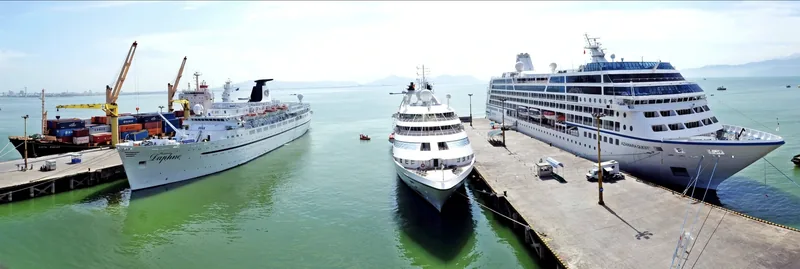
Da Nang
Tien Sa (Da Nang)
Twelve kilometres from the city centre and forty from Hoi An.
Tien Sa port guide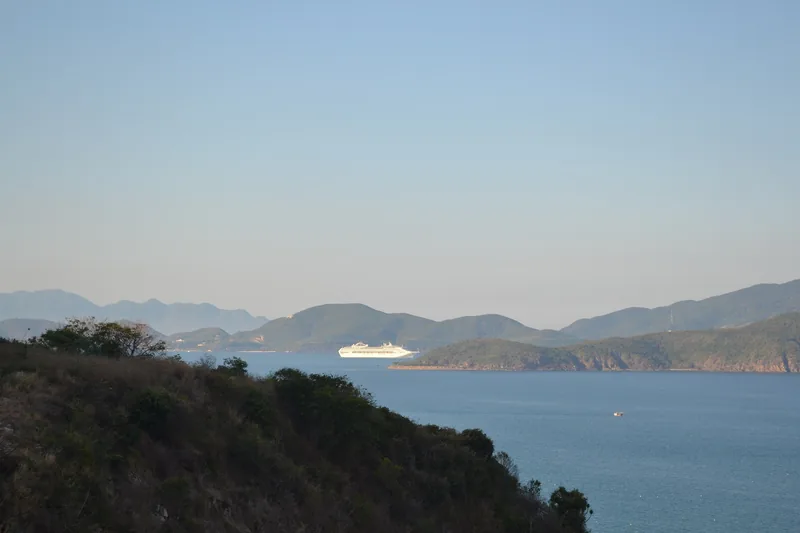
Khanh Hoa
Nha Trang
A port inside the city, unless your ship goes to Cam Ranh, an hour further south.
Nha Trang port guide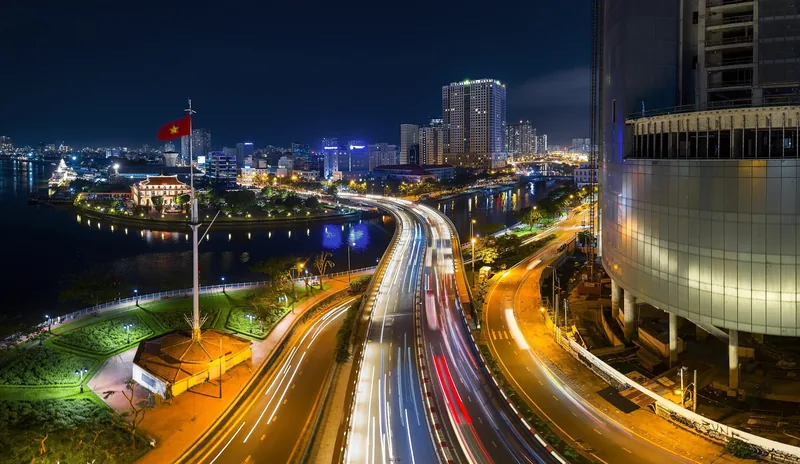
Ho Chi Minh City
Phu My
The port for big ships bound for Ho Chi Minh City: the day is mostly road.
Phu My port guide
An Giang
Phu Quoc
Island calls, often by tender, with beaches close to An Thoi and the town 30 km away.
Phu Quoc port guideThe port overview puts all six side by side in one table, with the drive to each main sight and a verdict on whether it fits a typical call.
Understand the cruise before you go ashore
Shore time and the all-aboard rule
How to turn "08:00 to 18:00 in port" into real minutes at a sight, and why the margin matters more than the sight. Do the shore-time maths.
Visa and entry for cruise passengers
Visa exemption, the e-visa, and the visa the ship's agent arranges, plus the 2026 port security decree. Read the entry rules.
When ocean ships come
Why most calls fall between late autumn and spring, and the shape of a typical itinerary. See the season.
Cabin grades explained
Inside, ocean view, balcony and suite, and what the price steps between them actually buy. Compare cabin grades.
Reading a deck plan
Symbols, noise, motion, obstructed views and where the tender platform is. Learn to read a deck plan.
Tenders, storms and missed ports
What happens when a call is cancelled, shortened or swapped, and what your contract says about it. Read about missed ports.
Three numbers to check for any Vietnamese port
- Hours in port. The ship's published arrival and departure times, not the excursion length. The all-aboard time in the daily programme is earlier than the departure time and is the one that counts.
- Berth or anchor. At a berth you walk off. At an anchorage you queue for a tender boat in each direction, which takes time out of the day that no road map shows.
- Road distance to the sight. Look it up in the port pages here, then add time for traffic, the port gate and the group. Coaches are slower than a car, and city centres are slower than highways.
If the three numbers leave you with less than two hours at the place you care about, the honest answer is usually a closer plan: the bay instead of Hanoi, Da Nang instead of Hue and Hoi An together, Vung Tau or a single district of Ho Chi Minh City instead of the tunnels and the city in one day.
What this site does not do
Cruise Virtual does not sell cruises, shore excursions, transfers or visas, and takes no bookings. It does not rank cruise lines or ships, and it does not advise on choosing a boat for an overnight trip on Ha Long Bay; that is a different question from the one an ocean cruise passenger faces. Businesses mentioned in source lines are independent of this guide and are cited only because they publish a fact we used.
Advertising may appear on some pages in spaces labelled "Advertisement". Those spaces are kept apart from the text and do not influence what the pages say. The about page explains how facts are checked and how corrections are made.
Who this guide is not for
- Passengers on river cruises on the Mekong. The ports, rules and days are different and not covered here.
- Travellers choosing an overnight boat on Ha Long Bay from Hanoi. This guide is about ocean ships that call at the bay for a day.
- Anyone looking for a ranking of cruise lines, ships or shore tours. We do not publish one.
- Crew members. Shore passes for crew follow separate rules that we mention but do not explain in full.
Common questions
Questions readers ask
Is this an official port or government website?
No. It is an independent guide. It cites government decrees, the Vietnamese tourism authority, the UK Foreign Office and port information, and links to them so you can check each point yourself.
Where do the distances come from?
From OpenStreetMap road data routed with the OSRM engine on 26 October 2026, from the cruise berth to the sight. They are road distances, not straight lines. The times from the engine assume free-flowing traffic, so the port pages add a planning range for a real coach.
Can I book a shore excursion or a transfer through this site?
No. The guide does not sell anything and does not recommend tour or transfer companies.
Do I need a visa to go ashore in Vietnam from a cruise ship?
It depends on your passport and on how your ship handles entry. Some nationalities are visa-exempt; others use an e-visa or a visa arranged through the ship's Vietnamese travel agent. The visa page explains the routes and the 2026 decree that governs cruise arrivals.
Related
Read next
Ports
Ports
All six Vietnamese cruise ports in one table: road distances, planning times and what fits in a call.

Understand the shore day
Shore time
How to turn hours in port into real time at a sight, with worked examples for every Vietnamese port.
Understand the shore day
Visa and entry
Visa-free entry, the e-visa and the ship-arranged visa for cruise passengers, with the 2026 decree explained.
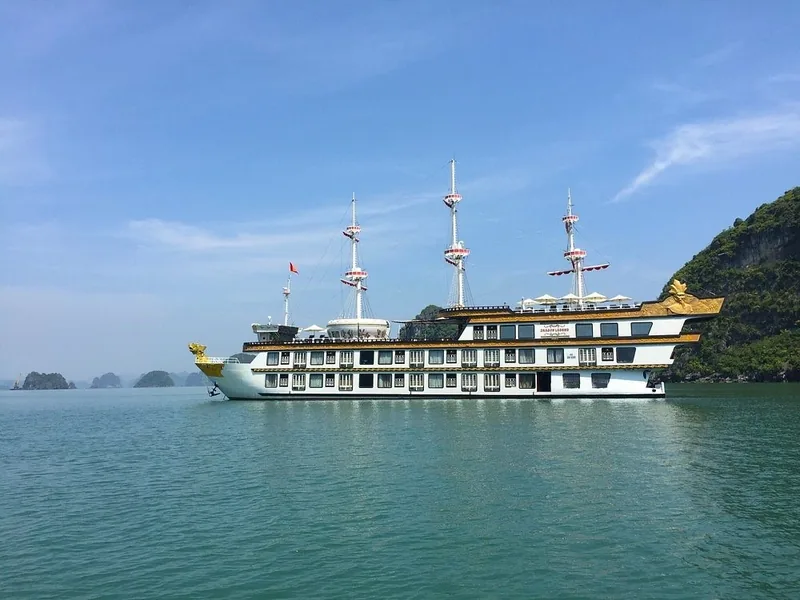
Understand the cruise
Cruise season
When ocean cruise ships call in Vietnam, the itinerary patterns, and the storm months that change calls.
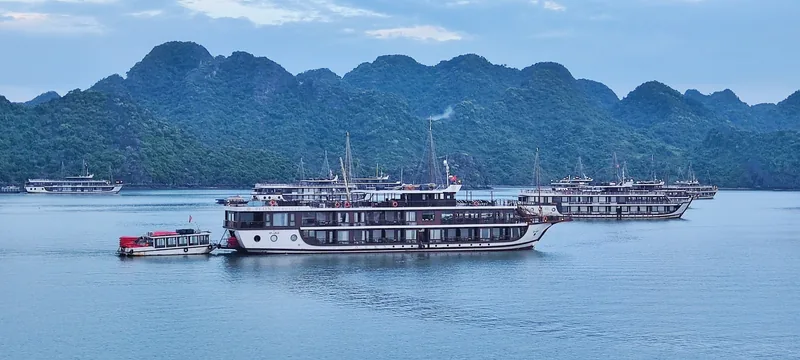
Understand the cruise
Missed ports
Why cruise calls in Vietnam are cancelled or shortened, how tendering works, and what your contract says.
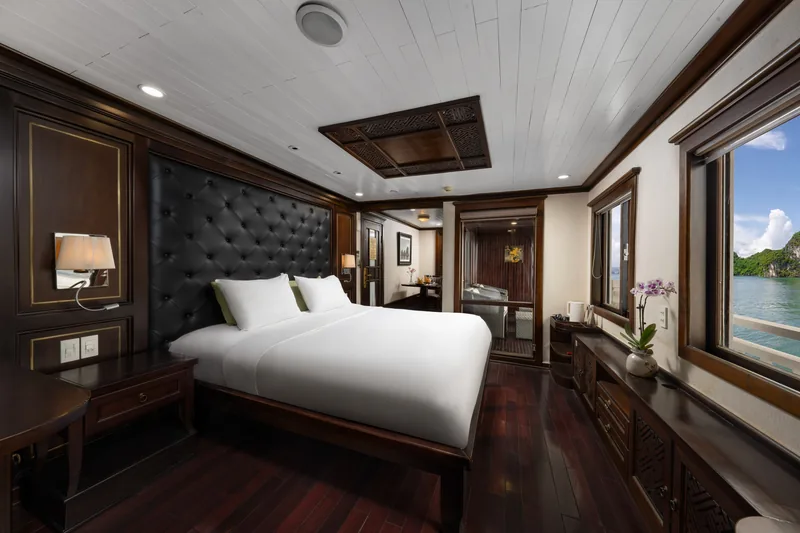
Understand the ship
Cabin grades
Inside, ocean view, balcony and suite cabins explained, with guarantee fares, obstructed views and location.
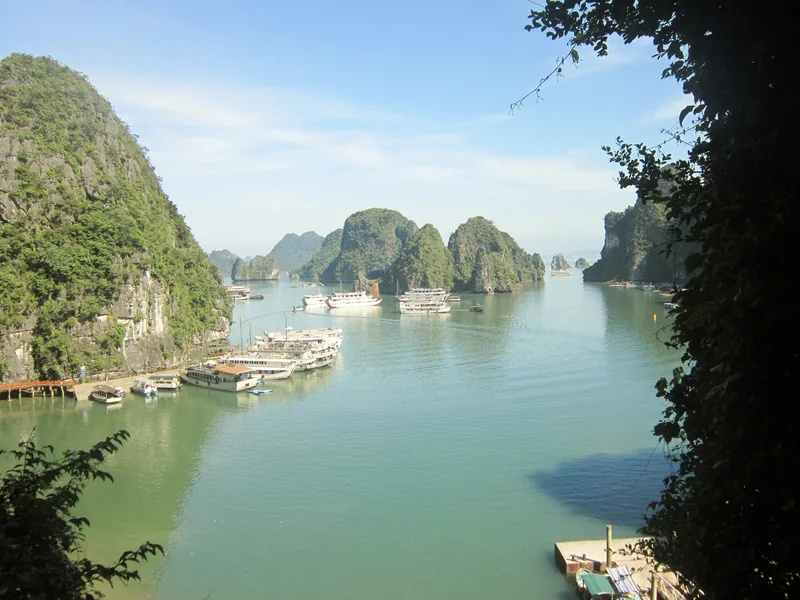
Start planning
Send a correction or a question
Tell us which page you mean, what you found instead and when. A link to the source, or the details of your own call, helps us check it.